
Energy efficiency solutions for your company
Optimize your energy consumption and pay less on your bill
SAVINGS AND SUSTAINABILITY
What are the advantages of energy efficiency for your company?
We offer you comprehensive energy efficiency solutions designed to reduce the energy consumption and costs of your business.

WE SUPPORT YOU EVERY STEP OF THE WAY
Decarbonize your company, save on costs, and contribute to a healthier planet.
Our renewable solutions range from the analysis and improvement of production processes to the optimization of lighting, air conditioning, digitization of energy management, self-consumption or fleet management.
OUR FIGURES
LEADING COMPANY IN ENERGY EFFICIENCY
Why ACCIONA Energía?
We are experts in optimizing the energy management of companies.
%20copia%20(3).jpg)
More than 30 years of experience
With our extensive experience, we are your company’s strongest partner.
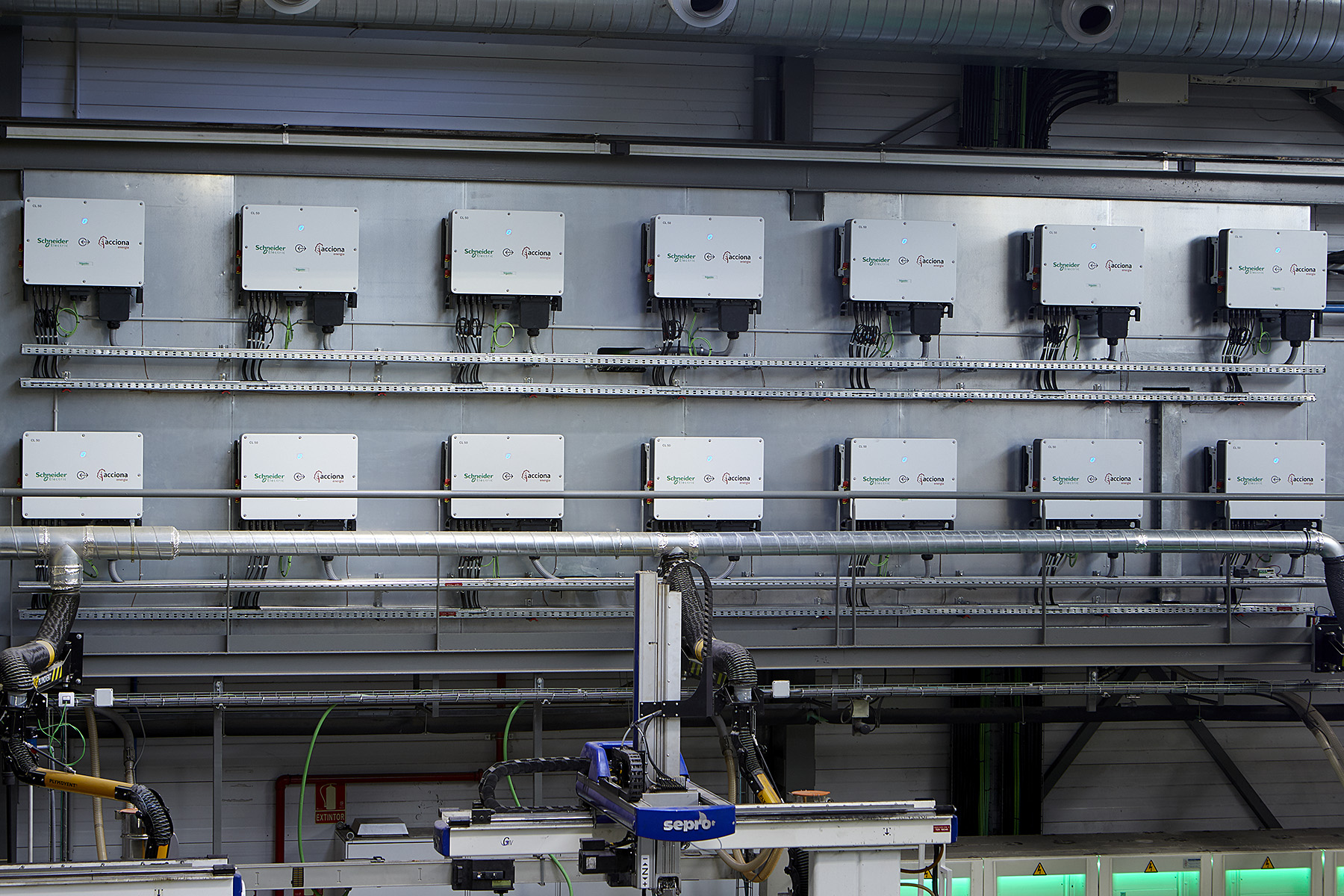
Insured savings
We guarantee energy savings by developing an integral energy efficiency project.
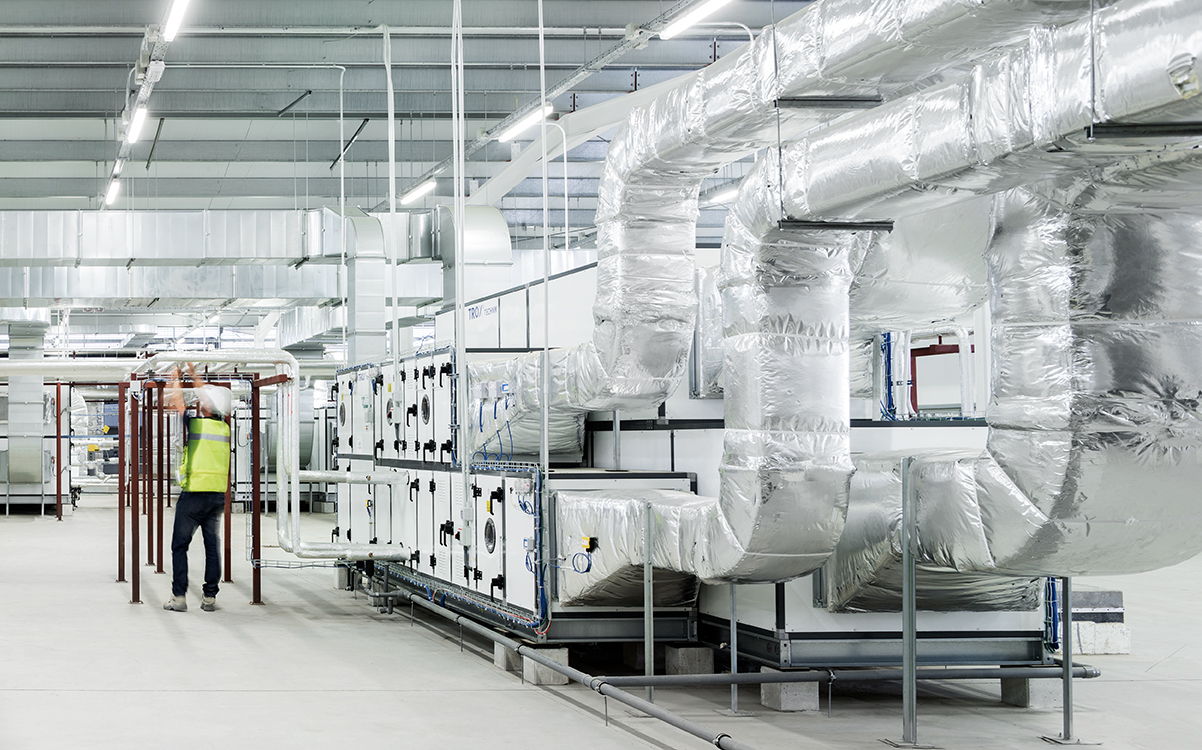
Large team of energy efficiency experts
We prepare an analysis of the situation and commit ourselves, by contract, to achieve the energy savings targets set.
CONTACT US
Optimize your company's energy consumption
Complete the form, and one of our energy efficiency specialists will get in touch with you.
Get all your questions answered
Energy efficiency solutions for your business
-
01
Energy efficiency for businesses: audit, optimisation and monitoring
Energy efficiency means reducing consumption while maintaining production or service levels, through audits, technological improvements, and data-driven management. At ACCIONA Energía we design and implement efficiency plans (audits, systems optimisation and digitalisation) and, where applicable, support savings verification with monitoring to detect inefficiencies and anticipate deviations before they impact costs or emissions.
-
02
Energy efficiency as a driver of competitiveness
Improving efficiency helps companies control consumption and gain operational predictability in a context of changing prices and ESG requirements. The value lies not only in "deploying technology", but in prioritising measures with real impact, executing them well, and sustaining results through ongoing monitoring.
-
03
Typical efficiency measures
- External and LED lighting.
- HVAC and air conditioning.
- Aerothermal, geothermal and heat pumps.
- Building envelope and ventilation.
- BMS, electric motors and variable frequency drives.
- Compressed air (compressors, heat recovery units).
- Industrial refrigeration, biomass, electric boilers.
-
04
CAEs (Energy Saving Certificates)
If your project generates certifiable savings, there may be an additional financial return through CAEs. ACCIONA Energía supports the entire process: identifying measures, quantifying consumption, establishing a baseline, verifying savings, and managing validation and monetisation.
-
05
What is energy efficiency in a business?
It means reducing consumption while maintaining the same level of production or service. This is achieved by combining audits, equipment upgrades, operational controls, and monitoring to detect inefficiencies and sustain results over time.
-
06
What does an energy audit include?
It analyses consumption by process, equipment and time of use, identifies inefficiencies, and prioritises measures by impact and feasibility. The output is a report with a roadmap, impact estimates, and a monitoring plan to verify results after implementation.
-
07
Which efficiency measures tend to have the greatest impact in industry?
It depends on the process, but motors and drives, compressed air, HVAC and refrigeration, LED lighting, control systems (BMS/EMS), and operational optimisation typically stand out. The key is to size the measure correctly and verify performance after commissioning.
-
08
How does monitoring help reduce consumption?
It provides reliable, real-time data to control consumption, detect inefficiencies, and anticipate deviations before they impact costs or emissions. It also facilitates reporting and results verification when efficiency measures are implemented.
-
09
Does energy efficiency affect productivity?
When properly designed, efficiency aims to eliminate waste without disrupting operations. That is why the process is analysed, implementation is planned, and a monitoring framework is defined. The approach focuses on reducing consumption and emissions without affecting productivity.
-
010
What are CAEs and how can they apply to my measures?
CAEs are certificates linked to energy savings achieved through efficiency measures. ACCIONA Energía can support the identification of measures, baseline definition, verification, and administrative management for their validation and monetisation, with full traceability of certified savings.
-
011
What information do you need to get started?
Typically: invoices or consumption data by period, operating schedules, list of critical equipment (HVAC, motors, compressors, industrial refrigeration), facility plans or descriptions, and objectives (savings, operational continuity, ESG reporting).
-
012
How is it measured that a measure works?
A baseline is defined (historical consumption and operational variables) and compared against consumption after the measure is implemented, adjusting for relevant changes (production, schedules, weather, etc.).
Monitoring helps ensure reliable data, detect deviations, and sustain results over time.